Aesop's Fables for Stress Relief: 7 Stories and Their Wellbeing Lessons
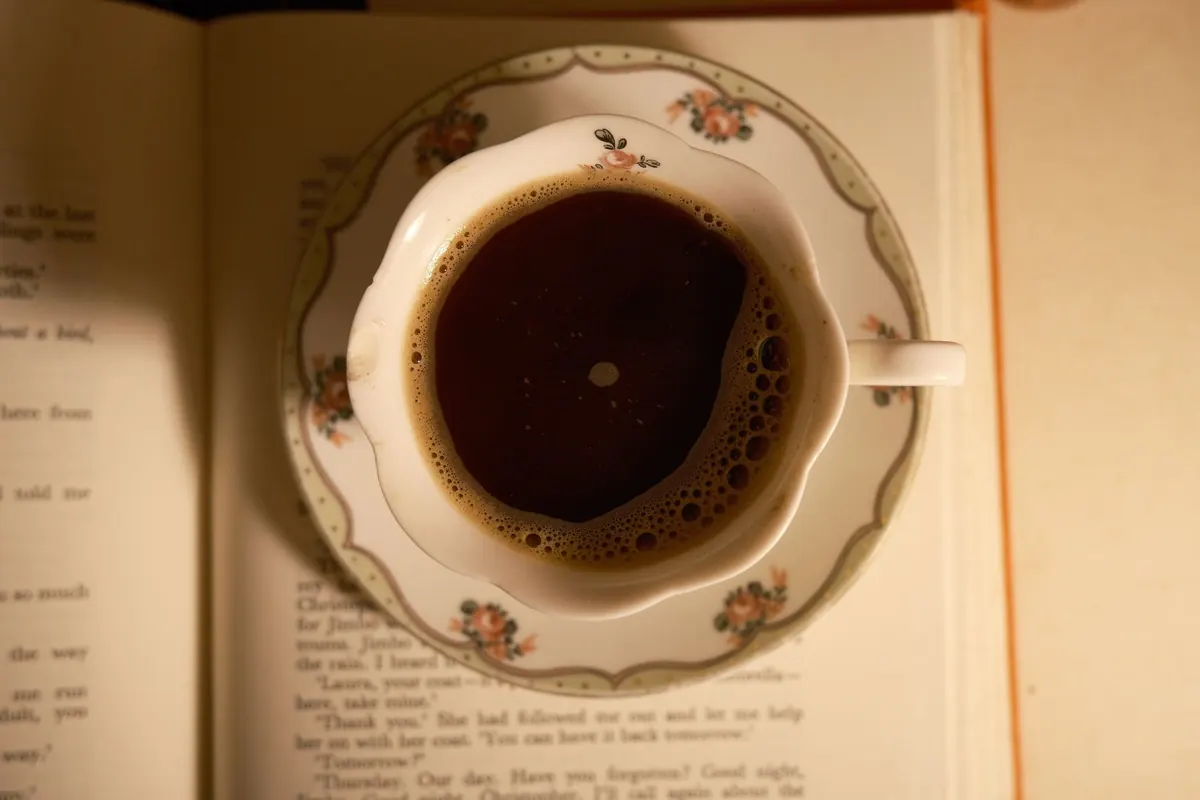
Most of us meet Aesop's fables as children: a tortoise, a fox, a moral printed neatly at the bottom of the page. Read them again as an adult, slowly, and something quietly useful happens. The stories are short enough to hold in your head, and old enough to feel settled. They give a restless mind somewhere to rest, then hand back a small truth worth turning over. Nothing here needs to be mastered or even agreed with. You read, you pause, and you notice what the story stirs up. That noticing is the point.
How to Read a Fable Slowly
A fable takes about a minute to read. Give it ten. The pace is doing as much work as the words.
- Choose one story, not seven. Reading for calm works better with a single focus.
- Read it once through without stopping. Don't hunt for the moral.
- Put the page down and let your shoulders drop. Breathe out for a little longer than you breathe in, three or four times.
- Read it a second time, more slowly. Notice which line catches.
- Ask one question: "Where does this show up in my week?"
- Write three lines, or say them aloud. Then close the book.
There is no correct answer. Whatever you notice is the useful part.
Fables for Steadiness When You Feel Wound Up
The North Wind and the Sun
The wind and the sun argue over who is stronger, and agree to test themselves on a traveller wearing a heavy cloak. The wind blows and blows; the man pulls the cloak tighter. The sun simply shines, and the man takes the cloak off himself.
Force backfires — on other people, and on your own feelings. Bracing against tension usually tightens it. Think of one thing you are pushing hard at this week, then try a gentler version of it: one email rather than a whole plan, one stretch rather than a new routine, one honest sentence rather than a difficult conversation you keep rehearsing.
The Oak and the Reeds
A great oak boasts that it stands firm while the reeds bend at every breeze. A storm arrives. The reeds bend and survive; the oak, holding its ground, is uprooted.
Ask yourself where you are being rigid. An unhelpful standard, an argument you have to win, a plan that no longer fits the week you're having. Write down one thing you could bend on without losing anything you actually value. Then bend, deliberately, and see what happens.
Fables for Patience and Pace
The Hare and the Tortoise
The hare races ahead, stops for a rest, and wakes to find the tortoise has already crossed the line.
Steady, unglamorous effort beats bursts — and a good deal of stress comes from the gap between what we expect of ourselves and the energy we actually have. Pick one task. Set a timer for fifteen minutes. Stop when it rings, even if you are going well. Finishing slowly is still finishing.
The Crow and the Pitcher
A thirsty crow finds a pitcher with water too low to reach. Instead of tipping it over or flying on, it drops in pebbles one at a time until the water rises within reach.
A problem too big to solve in one move can still be solved in twenty small ones. Write the worry at the top of a page, then break it into the smallest next action: something you could do in ten minutes. Do only that, and let the rest wait.
Fables for Letting Go of What You Can't Hold
The Fox and the Grapes
A fox jumps for a bunch of grapes, fails, and walks away declaring that they were probably sour anyway.
The mind protects itself by downgrading what it cannot have. Sometimes that is healthy: it stops you chasing a job, a house or a friendship that was never going to fit. Sometimes it hides a real disappointment that would heal faster if you admitted it. Finish this sentence in your notebook: "I told myself I didn't want it because…" Then read it back and decide whether that is still true.
The Milkmaid and Her Pail
A milkmaid walks to market carrying a pail of milk, picturing the eggs she will buy, then the chickens, then the dress, then the admiring glances. She tosses her head at the thought and spills the milk.
Rehearsing a future you cannot control is an exhausting way to spend an afternoon. When you catch yourself planning, say "later" and keep walking. A short worry window in the evening — ten minutes, written down — gives the thoughts somewhere to go that isn't the whole day.
Fables for Support and Kindness
The Bundle of Sticks
An old man shows his quarrelling sons a bundle of sticks. Each stick snaps easily on its own; bound together, the bundle will not break.
Isolation magnifies stress. Name one person and one small, concrete ask: a walk on Saturday, a phone call, help with a form you have been avoiding. Specific requests are far easier to say yes to than a general "I'm struggling" — and easier to make, too.
A Short Evening Practice
Fifteen minutes, once a day, is enough to make this stick. Choose a fable from this list, read it once, read it again slowly, and answer a single question in a notebook: What did I notice? Then decide on one small action for tomorrow — one, not five. Keep the book by your bed rather than on a shelf; you are far more likely to open it.
If a particular fable irritates you, that is worth paying attention to. Irritation usually points at something true.
These stories are a reflective habit, not a treatment. Stress is a normal part of a full life, but if it is persistent and affecting your sleep, appetite, concentration or work, speak to your GP or another qualified health professional. A fable can settle an evening; it cannot do the work of proper support. Use both.
Photo: Semanur Çoban / Pexels