A Winter Solstice Folklore Guide: Rituals, Stories and Mindful Reflection
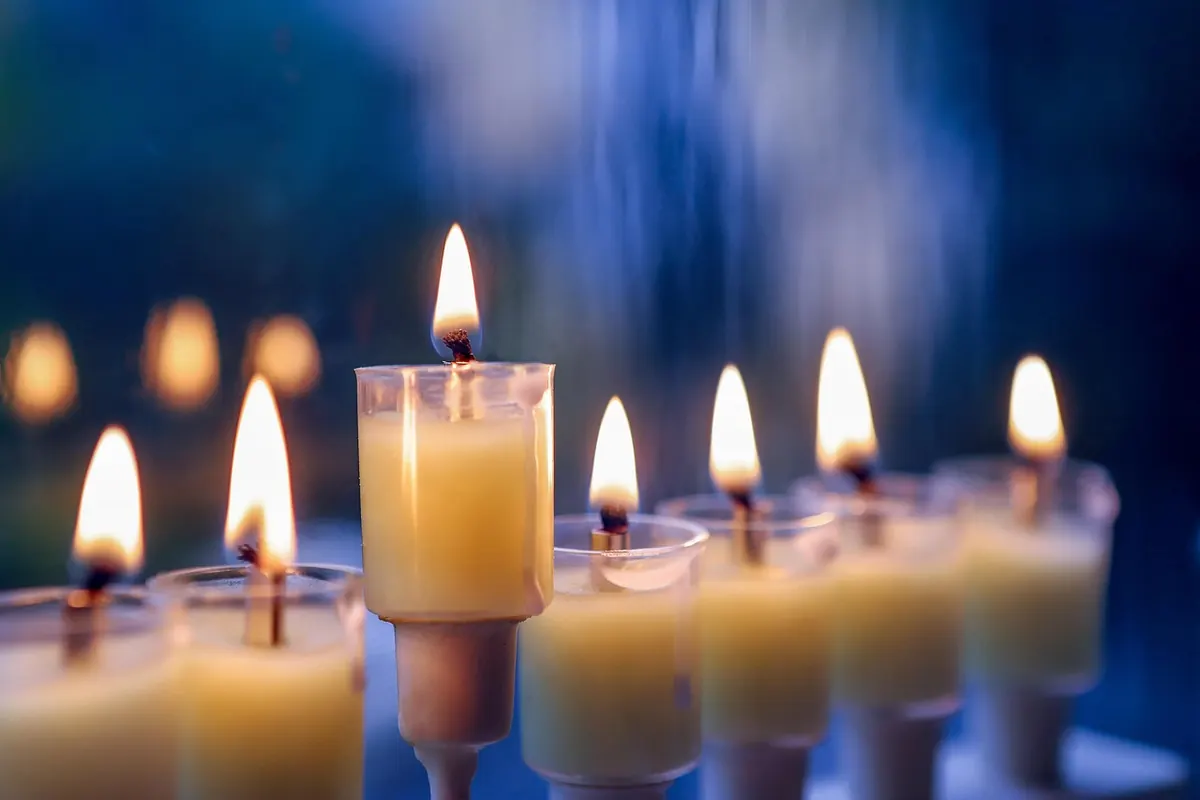
The sun drops behind the houses at half past three, the kitchen window goes black before tea, and the last of the sloes is still in the freezer. Midwinter in Britain is less a festival than an endurance test — and yet the folklore of these islands and their neighbours is full of stubborn little lights: a candle in a turnip, a bowl of hot spiced ale, a story told badly for the hundredth time. The winter solstice, falling around 21 December in the northern hemisphere, is the pivot on which all of it turns.
What the Solstice Actually Marks
The word comes from the Latin sol and sistere — the sun standing still. For a few days either side of the solstice, the sun's noon height barely changes, and to anyone watching the sky with no instrument but their eyes, it looks as though the light has halted at its lowest point and may not come back at all. Then it does.
The shortest day has been marked across Europe for thousands of years. In Scandinavia and the Germanic north the season was jól, Yule: a feast of ale, meat and fire. Rome had Saturnalia, a December festival of role-reversal and gift-giving. Christmas later settled over the top of these older midwinter feasts, borrowing the tree, the log and the evergreen. What all of them share is the same instinct — when the dark closes in, gather, feed people, and keep a flame going.
British Customs for the Dark Days
The Yule log
A great log was brought in on Christmas Eve and lit with a piece of last year's log kept back for the purpose, then left to burn through the night. The charred remains were stored under the bed to protect the house from fire and lightning. You do not need a hearth for this. A single log on a firepit, or a candle with a bay leaf and a ribbon tied round it, carries the same idea: the light is handed on rather than started from nothing.
Wassailing the orchard
In cider country — Somerset, Herefordshire, Devon, Kent — wassailing meant going out to the oldest apple tree with cider-soaked toast, singing to it, and firing a shotgun through its branches. That last part is best left as history. A gentler version: take a mug of hot cider to a garden tree, pour a little at the roots, and say thank you out loud. It feels ridiculous for about ten seconds, and then it doesn't.
Holly, ivy and mistletoe
Holly was the man's plant and ivy the woman's, hung together as a pair. Mistletoe, which keeps its leaves and berries through winter, was cut by Druids with a golden sickle according to Roman reports. The kissing custom may be later, but the plant's reputation for peace and fertility is old.
Montol and the Cornish fire
In Penzance, the solstice is still marked with Montol: masked guise dancers, lanterns and fires in the streets. Further east, people gather at Stonehenge, whose great avenue aligns with the midwinter sunset. Both are reminders that this is a night for being outside with other people, not only indoors with the curtains shut.
Threads from Europe
St Lucia's Day on 13 December fills Swedish towns with girls in white gowns and crowns of candles; in parts of Italy the same saint is honoured with torchlit processions. It is a festival of light placed conveniently at the darkest point of the calendar.
In German-speaking Europe, the Rauhnächte — the twelve nights between Christmas and Epiphany — were a time when the Wild Hunt rode and Frau Holle shook her feather bed, which is why it snowed. People avoided hanging washing out overnight, burned incense through the house, and read the twelve nights as a forecast of the twelve months ahead.
Norway and Sweden gave us the Yule goat, a straw figure that once accompanied gift-bringers and now mostly stands in shop windows. Iceland has the Jólasveinar, thirteen troll-like brothers who arrive one by one before Christmas. They are not cosy figures, and that is part of their appeal.
Stories to Tell by Candlelight
Folklore works best aloud. These suit a solstice evening.
- The Oak King and the Holly King. Two halves of the same year who meet twice: the Holly King wins at midsummer, the Oak King at midwinter. Tell it as a wrestling match, with a minute of extra light as the prize.
- The Cailleach. The Scottish winter hag who washes her plaid in the whirlpool of Corryvreckan and strikes the ground with a hammer to harden it. On 1 February she drinks from the well and turns to stone — or, in some tellings, to a young woman. Winter does not end because we beat it; it ends because she lets go.
- Frau Holle and the feather bed. She shakes it and snow falls on the world. Grimm rewards the kind girl and punishes the lazy one; the weather-myth underneath is worth mentioning.
- The sun as a child. Many traditions treat the reborn midwinter sun as an infant — small, weak, and carried carefully through the first weeks.
Keep it under fifteen minutes. Tell rather than read. Put one candle between you and the listener, and let the pause at the end run longer than is comfortable.
Reflective Practices for the Longest Night
The solstice invites an honest look at the year without the pressure of New Year's resolutions. Try one of these.
- Name what you are carrying. Write each worry or grudge on a slip of paper and burn one. If burning feels too final, put the rest in a drawer and revisit them on 1 February.
- Plant a seed-thought. Write a single intention for spring and fold it inside a seed packet or a book. You are not committing to a plan; you are storing light.
- Walk at noon. Go out in daylight, even briefly, without headphones. Midwinter light is low and blue
Photo: Shlomaster / Pixabay